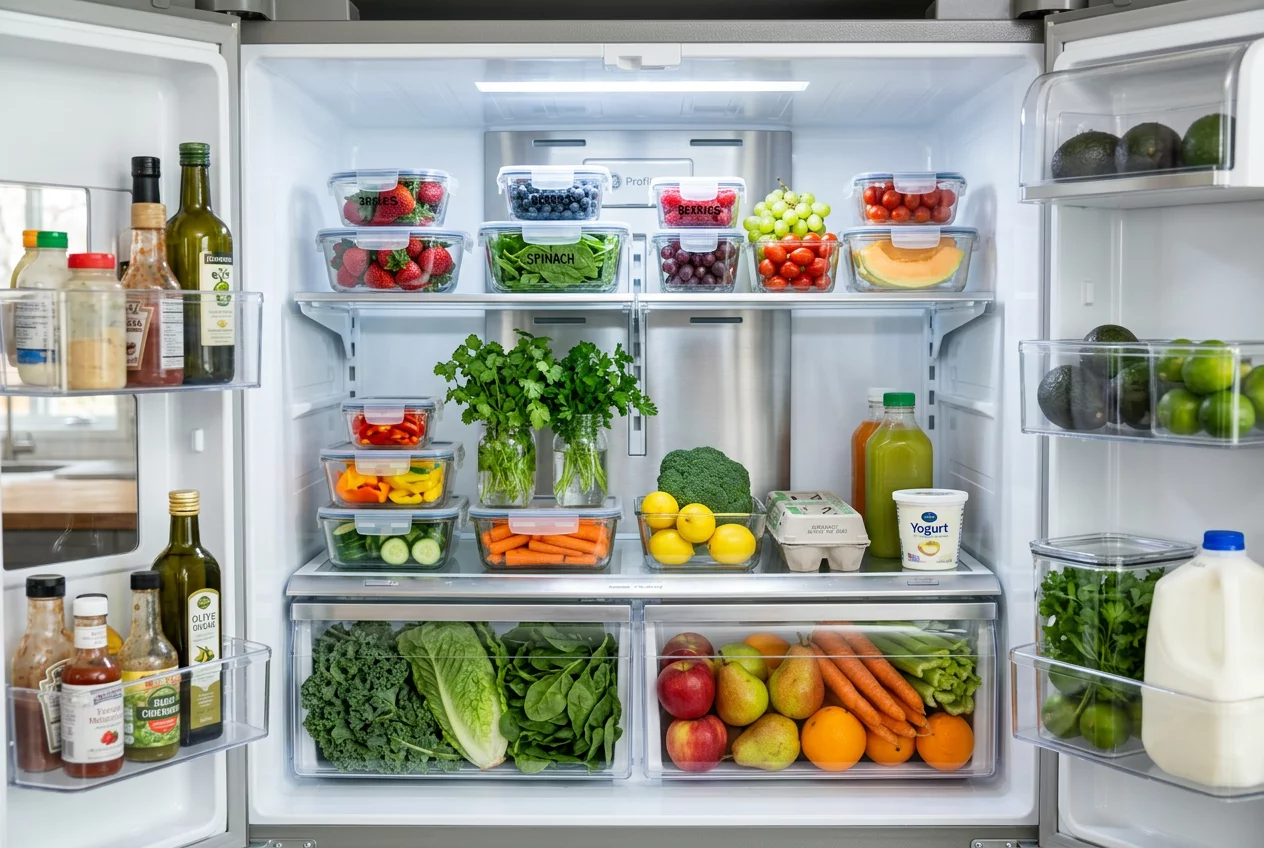
Maximize Your Harvest: The Art of Vegetable and Fruit Storage
You’ve just returned from the local market with a basket full of vibrant, seasonal produce. The colors are striking, and the scents are intoxicating. However, without the right storage strategy, that crisp kale and those juicy berries can quickly turn into a wilted, moldy mess. Understanding the science behind produce storage is not just about saving money; it is about preserving the peak nutritional value and flavor of your food.
The Ethylene Gas Factor
One of the most common mistakes in the kitchen is storing everything together. Many fruits, such as apples, bananas, and avocados, release ethylene gas as they ripen. This natural plant hormone acts as a ripening agent. While it is great for ripening a hard pear in a paper bag, it is a disaster for ethylene-sensitive vegetables like broccoli, cucumbers, and leafy greens. If you store these together, the greens will yellow and the cucumbers will soften prematurely. Always try to keep your ethylene-producing fruits in a separate bowl or a different drawer from your sensitive vegetables.
To Refrigerate or Not?
Not all produce benefits from the cold. In fact, for some items, the refrigerator is a flavor killer. Tomatoes, for example, lose their characteristic aroma and develop a mealy texture when chilled. Potatoes should be kept in a cool, dark, and well-ventilated space; the cold temperature of a fridge converts their starch into sugar, resulting in a gritty texture and an unpleasantly sweet taste. Similarly, onions and garlic prefer the pantry over the crisper drawer, provided they are kept away from moisture.
Leafy Greens and Herbs
Leafy greens are high in moisture and prone to wilting. The best way to store them is to wash them, dry them thoroughly with a salad spinner, and then wrap them loosely in paper towels before placing them in a reusable silicone bag or a container. This absorbs excess moisture while keeping the environment humid. For hardy herbs like cilantro or parsley, treat them like a bouquet of flowers: trim the stems and place them in a glass of water in the fridge, covering the tops loosely with a bag.
Berry Best Practices
Berries are notoriously fragile. Moisture is their primary enemy, as it encourages mold growth. I recommend washing berries only right before you eat them. If you must wash them ahead of time, use a diluted vinegar bath (one part vinegar to three parts water) to kill mold spores, dry them completely on a clean towel, and store them in a single layer in a ventilated container. This simple routine can easily double their shelf life.
Conclusion
Proper storage is the final step in a healthy eating journey. By respecting the individual needs of your produce—whether it requires a dry pantry shelf or a humid crisper drawer—you ensure that every meal you prepare is as nutritious and delicious as possible. These small changes in your kitchen habits lead to less waste and a much more rewarding culinary experience.
Discussion
Leave a Comment